The people behind the labels: Stéphane Derenoncourt
Βy Yiannis Karakasis MW
Originally published in Greek Wine Explained Report | 2025
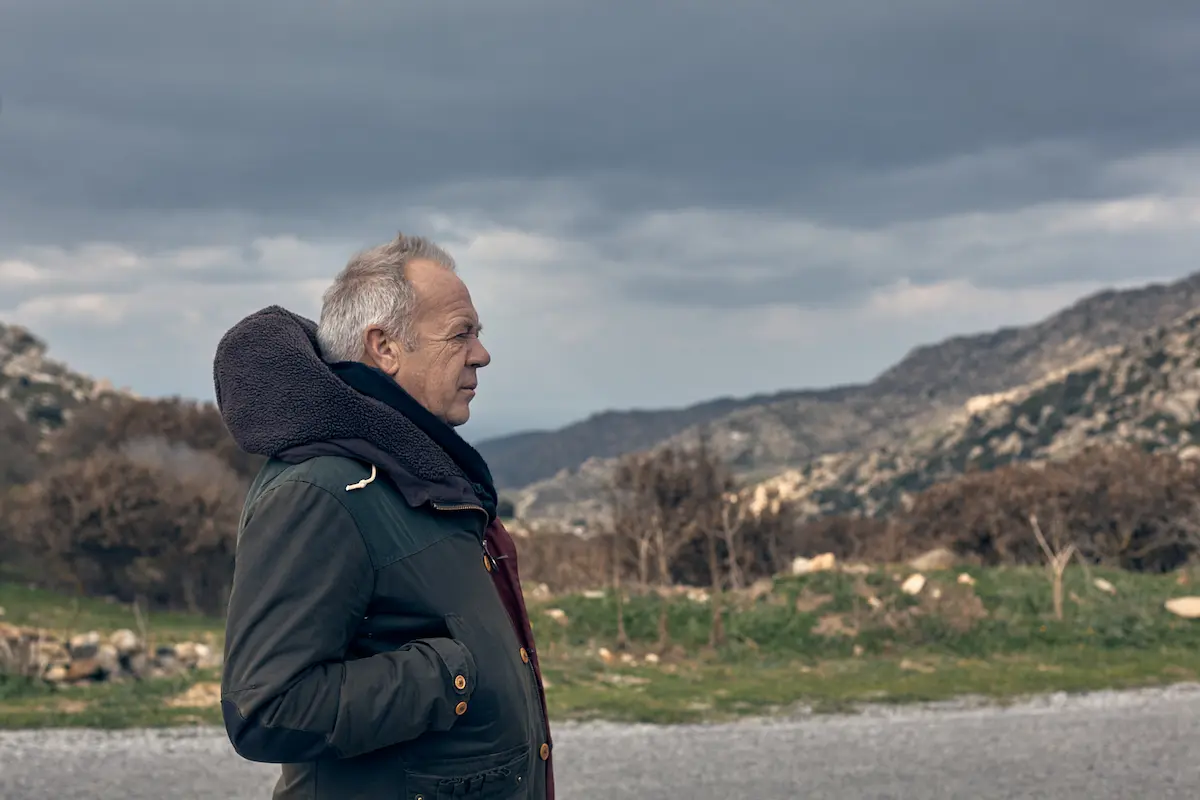
Stéphane Derenoncourt, a French winemaking consultant, is self-taught and has experience working at many prestigious Bordeaux châteaux before beginning his consulting career in 1997. While he has consulted extensively in France and internationally, including at the T-Oinos winery, he is gradually reducing his consulting activities to focus on T-Oinos's development, where he is now a partner.
YK: In your work, you have focused on expressing the identity of the vine and the terroir. How would you describe the terroir of the island of Tinos, and how does it influence the character of T-Oinos wines?
SD: This terroir is unique and delicate. The granitic sandy soils are relatively shallow and easily compacted, making deep rooting a significant challenge. Furthermore, with 10,000 vines planted per hectare, competition for nutrients is intense. These vines face constant stress, but if we can balance and lessen various stresses, the resulting grapes can tell an extraordinary story.
YK: T-Oinos operates in extreme conditions with minimal rainfall. How have these challenges influenced your viticultural practices, and do you see these solutions useful for viticulture elsewhere?
SD: We use organic methods to prevent soil compaction and promote deep root growth through crop brooding in autumn and winter. Alexandre Avatagellos, a passionate advocate of homoeopathy, has also developed highly effective plant treatments.
YK: Could you elaborate on how you have redefined the use of oak at T-Oinos and how it helps to achieve “Energy, Transparency, and Purity” (ETP) in the wines?
SD: Energy is derived from the environment, the microclimate, and wind. Transparency reflects the identity of wines produced on granitic soils. Purity results from our meticulously chosen vinification and ageing processes, which remain pure even though our white wines are not overly refined.
Subscribe for FREE to continue reading this article.
This premium blog post is restricted. Subscribe to get access to all blog posts and unlock our complete library of Greek wines, varieties, and expert insights.
- Email updates (1–2 / month)
- Access to free posts
- Special subscription offers
Aficionado
For enthusiasts and trade professionals who want full article access
Subscribe Now- Full access to all subscriber-only posts
- Full access to wine reviews and grape varieties sections
- Executive summaries for major features/reports
- Reliable, focused information on Greek wine, in an international voice
Aficionado Premium
For advanced readers, sommeliers & buyers needing deep documentation
Go Premium- Everything in Aficionado, plus:
- Full access to all Reports (9 to date)
- Access to approximately two new reports per year
- Executive summaries for major features/reports
- Reliable, focused information on Greek wine, in an international voice
Professional
For importers, retailers, restaurants, producers, and trade press
Get Professional- Everything in Aficionado Premium, plus:
- Publication rights for reviews and short tasting notes (up to 50 words)
- Article excerpt rights (up to 120 words, up to 3 excerpts/month)
- Priority support (email) for usage/attribution questions
- Mandatory attribution required with active link where possible
Already have an account?
Sign in here